Fabric knowledge / Specifications
Fabric GSM explained: why weight matters, but doesn't tell the whole story.
Understanding fabric weight, how it is measured and why a higher GSM does not necessarily mean better quality.
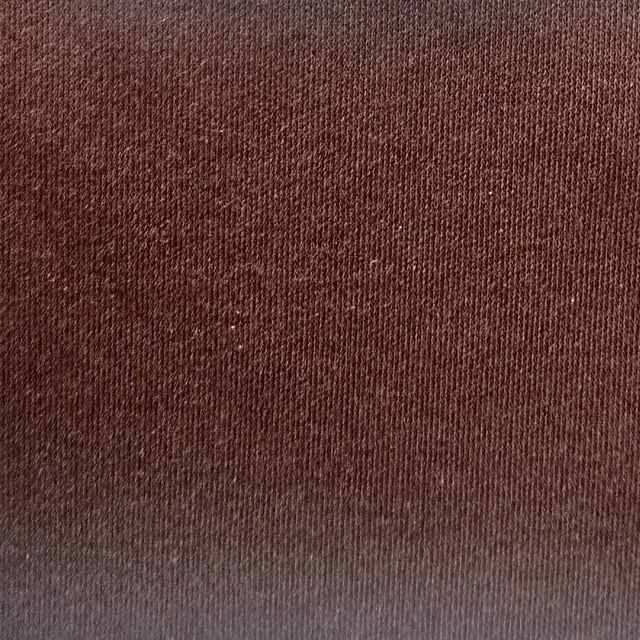 195 g/m²
 235 g/m²
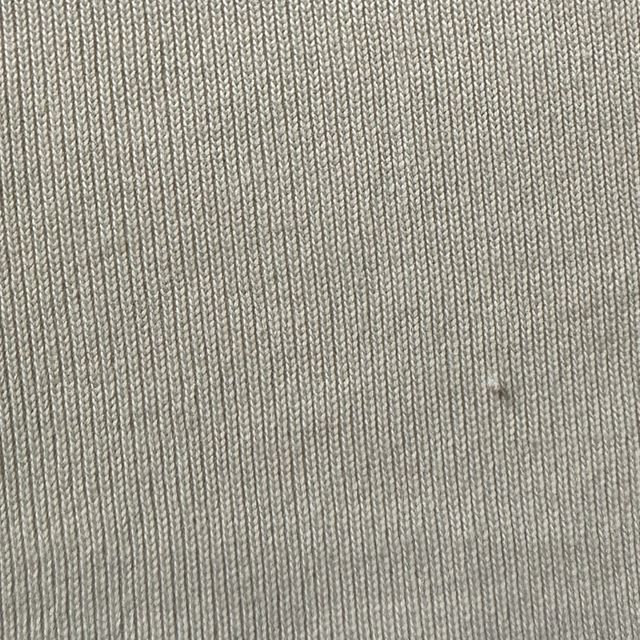 320 g/m²
When sourcing fabrics, one of the first technical specifications you are likely to encounter is GSM. A supplier may describe a cotton poplin as 120 GSM, a jersey fabric as 180 GSM or a cotton piqué as 220 GSM.
These numbers provide useful information, but they are frequently misunderstood. A heavier fabric is not automatically better, more durable or more suitable for a particular garment. Equally, a lightweight fabric should not be assumed to be inferior.
Understanding what GSM measures, and what it does not, is an important part of making informed fabric sourcing decisions.
What does GSM mean?
GSM stands for grams per square metre. It describes the mass of one square metre of fabric: a fabric weighing 180 GSM has a mass of 180 grams per square metre.
GSM provides a standard way to compare fabric weight without relying on the dimensions of an individual roll or sample. It is particularly useful when communicating with suppliers, comparing specifications or checking whether a material falls within the intended weight range for a product.
However, GSM measures mass per unit area. It does not directly measure fabric thickness, softness, durability or quality.
Good to know · GSM and weight per metre
Some suppliers also quote weight per running metre (g/m), which depends on the fabric's width. To compare the two, multiply GSM by the width in metres. A 185 GSM fabric that is 150 cm wide weighs about 185 × 1.5 ≈ 280 grams per running metre. When comparing quotes, check which measure is being used.
Why does fabric weight matter?
Fabric weight can influence several characteristics of a finished garment.
Appearance and structure
Heavier fabrics may provide a more substantial appearance, while lighter fabrics can create a softer or more fluid silhouette. The outcome also depends on weave, yarn characteristics and finishing.
Comfort
Fabric weight contributes to how a garment feels against the body. In warmer conditions, a lighter fabric may be preferable, although breathability and comfort depend on more than weight alone.
Drape
Weight can influence how fabric falls and moves, but the relationship is not straightforward. A dense, lightweight fabric may feel stiff, while a heavier fabric with a different construction may drape more fluidly.
Opacity
Heavier fabrics are sometimes less transparent, but GSM alone does not determine opacity. Yarn density, colour, fibre type and construction also play important roles.
Intended application
Different garments have different requirements. A structured polo shirt, a lightweight business shirt and a casual T-shirt may each benefit from a different combination of fabric weight and construction.
Typical GSM ranges for apparel
The following ranges are illustrative starting points rather than universal industry standards.
| Fabric or application | Illustrative GSM |
|---|---|
| Lightweight woven shirting | 90–130 |
| Medium-weight woven shirting | 130–170 |
| Lightweight cotton jersey | 130–170 |
| Everyday cotton jersey | 170–220 |
| Cotton piqué for polo shirts | 180–240 |
| Heavier casual jersey | 220–300+ |
These ranges overlap because fabric categories are defined by construction and intended use, not weight alone. A 200 GSM cotton jersey and a 200 GSM cotton piqué have the same mass per unit area but may differ substantially in texture, stretch, airflow and appearance.
Does higher GSM mean better quality?
Not necessarily. Consider two cotton fabrics with the same GSM. One may be produced using well-prepared yarns, a consistent construction and appropriate finishing; another may have uneven yarn quality, inconsistent construction or inadequate finishing. Although both weigh the same, their appearance, feel and performance may differ.
Similarly, a fine lightweight cotton can be made from carefully selected yarns using sophisticated manufacturing processes. Its lower weight does not make it a lower-quality material.
Quality should be assessed through a combination of factors, including:
- Fibre composition and yarn characteristics
- Fabric construction and consistency
- Surface appearance and hand feel
- Dimensional stability after washing
- Colourfastness
- Pilling resistance, where relevant
- Suitability for the intended garment
GSM is one part of the specification, not a substitute for evaluating the fabric itself.
Is lighter fabric always better for hot weather?
The answer depends on the fabric. In the UAE and other warm climates, garment comfort is influenced by heat, humidity, airflow, moisture and the conditions in which clothing is worn.
A lightweight material may feel less substantial against the skin, but if it has a very tight construction or an unsuitable finish, it may not offer the desired airflow. A slightly heavier fabric with a more breathable structure could sometimes feel more comfortable.
Other considerations include garment fit, moisture absorption, drying behaviour and the difference between indoor and outdoor environments. For apparel intended for the UAE, fabric weight should be considered alongside construction and wearability rather than used as the sole measure of comfort.
How should businesses specify GSM?
When preparing a fabric sourcing requirement, it helps to give a target GSM rather than simply asking for a light, medium or heavy fabric. For example:
100% cotton piqué fabric, target 200–220 GSM, soft hand feel, suitable for a structured men's polo shirt.
This gives a supplier a more useful starting point. It is also worth clarifying whether the stated GSM refers to the fabric as supplied or after any specified washing or finishing process. Fabric weight can change with processing and dimensional changes, so the measurement conditions and acceptable tolerance should be agreed where precision is important.
For production orders, GSM should form part of a broader material specification that also covers composition, width, construction, colour, finishing and relevant performance requirements.
The importance of physical samples
Technical specifications help narrow down options, but they cannot communicate every characteristic of a fabric. Two fabrics with identical composition and GSM may feel very different in the hand.
Whenever practical, review physical samples and consider how the material will behave in the finished garment. For more demanding applications, testing may be necessary to verify specific performance requirements.
The purpose of a fabric specification is not to choose the highest number. It is to identify the right combination of characteristics for the intended product.